
Module 5: Approaching Flares
Addressing Anxiety
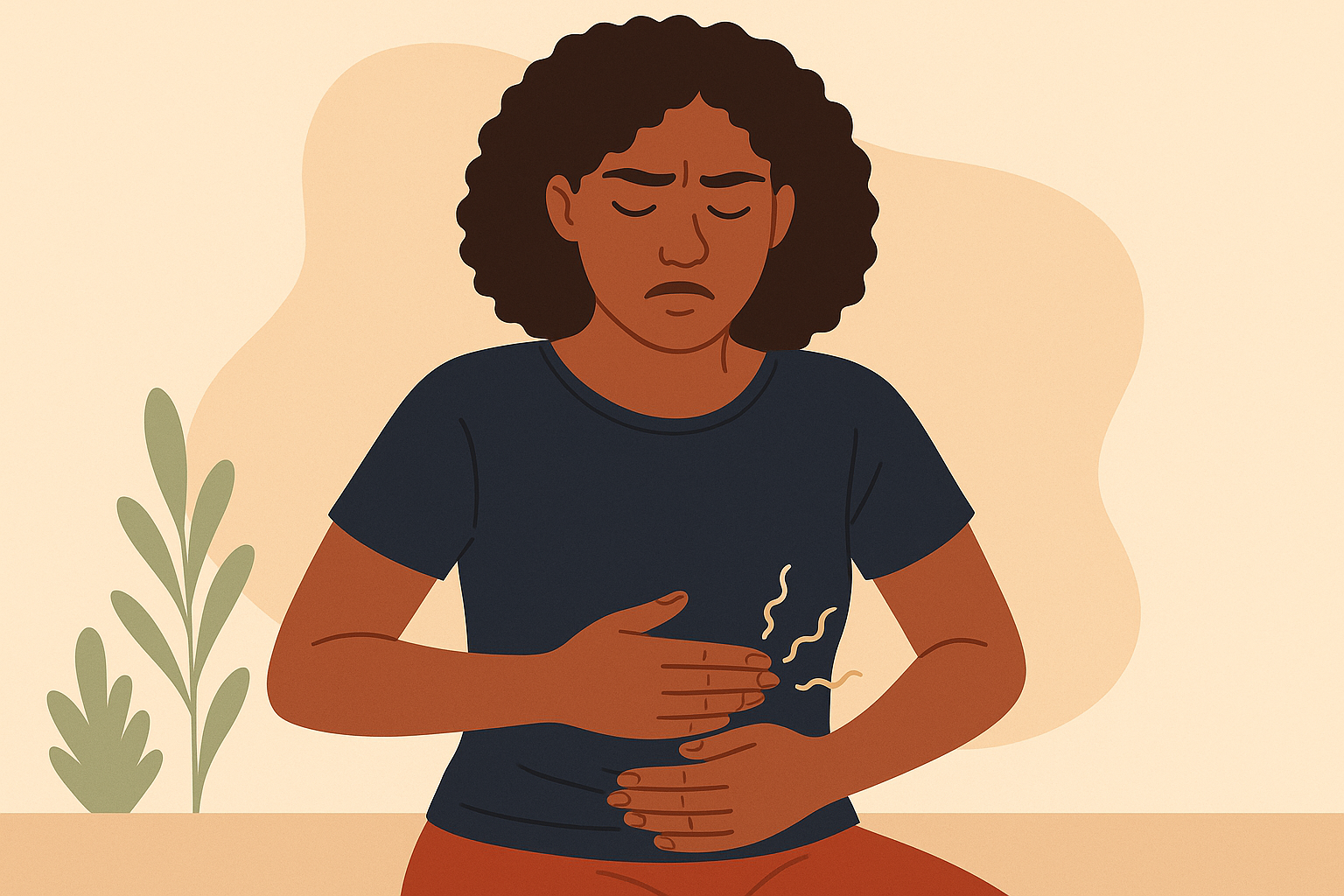
Anxiety can intensify IBS symptoms by keeping the nervous system in a state of hypervigilance. Practices such as mindfulness, reframing unhelpful thoughts through cognitive behavioral tools, and grounding techniques like the 5 4 3 2 1 method or calming breathwork help reduce this internal sense of threat. Over time, these practices send calming signals to the gut brain axis, allowing digestion to function more smoothly. Anxiety is often a major contributor to IBS. It is easy to label ourselves as “anxious,” but anxiety is an experience, not an identity. It can be unlearned, just like pain. Anxiety may have once served a protective purpose, but that does not mean it serves you now. Release any judgment when it arises. Remember, it showed up to help, not harm.
Breathing
Breathing exercises, especially slow and intentional techniques like diaphragmatic breathing, 4 7 8 breath, box breathing, or the physiological sigh, help activate the parasympathetic nervous system. This part of the nervous system supports rest and digestion. Practicing breathwork regularly teaches the body how to shift out of stress more easily, even during symptom flares, helping restore a sense of calm and control.
Safety Messages
Repeating safety messages like “This sensation is not dangerous,” “My body knows how to digest,” “This food is safe,” or “I am capable of eating what I want” helps rewire the brain’s association between food, symptoms, and fear. When paired with calming practices like breathwork or graded exposure, these messages support a shift from a fear based response to one rooted in confidence and regulation.
Changing Your Relationship with Food
Fear of food is common in IBS, especially after a painful or uncomfortable reaction. Over time, the brain can start to interpret even safe foods as threats. Begin rebuilding trust through mindful eating, gentle exposure, and curiosity rather than avoidance. Ask yourself, “Is there actual evidence this food causes harm, or is it fear based?” An allergic reaction is different from a stress triggered response like bloating or cramping. These symptoms may feel alarming but are not always signs of damage.
Changing the Narrative
Healing begins with the story we tell ourselves. Shifting from “I am broken” to “My body is trying to protect me” helps reduce fear and shame and replaces them with compassion and curiosity. This new narrative can help the nervous system feel less threatened and more open to healing. What narrative would you prefer to live by? What outcome are you working toward? Let that guide your internal dialogue.
Preparing for Traveling
Travel can feel stressful when you live with IBS. Unknown foods, unfamiliar bathrooms, or being far from your comfort zone can all trigger fear. While packing safe foods can be helpful, it may also reinforce the belief that food is dangerous. Try balancing preparation with flexibility. Remind yourself that you are capable of handling discomfort and that not every outcome will be negative. Challenge the habit of assuming the worst.
Social Engagements
It is common to avoid social situations out of fear that you might have a flare or that others will not understand. This can lead to increased self consciousness or isolation. But by engaging in social activities despite discomfort, you show your brain that it is safe to be around others even if symptoms arise. Before saying no to the next invite, consider going with a plan. You can always leave early if needed, and you have tools to support you.
Graded Exposure with Food
The brain forms quick associations. If a certain food triggered discomfort once, it may be labeled as “dangerous.” But through graded exposure, we can gently retrain the brain to recognize that the food itself is safe. Start by imagining the food and enjoying it in your mind. Then try holding it, smelling it, and using safety messages like “this is safe” while you take small steps toward eating it again. Gradually increase the amount and celebrate each success. This process builds trust between your brain and your body.
Example – Reintroducing Cheese with Graded Exposure:
Imagine eating cheese and enjoying the experience
Take the cheese out of the fridge and place it on a plate
Hold it in your hand and repeat safety messages
Take a small bite while breathing slowly
Gradually eat more, either the same day or over several days
Eat the full portion while reminding your brain that it is safe
Celebrate your success and the learning experience