
Module 4: Getting To Know My Pain
Graded Exposure
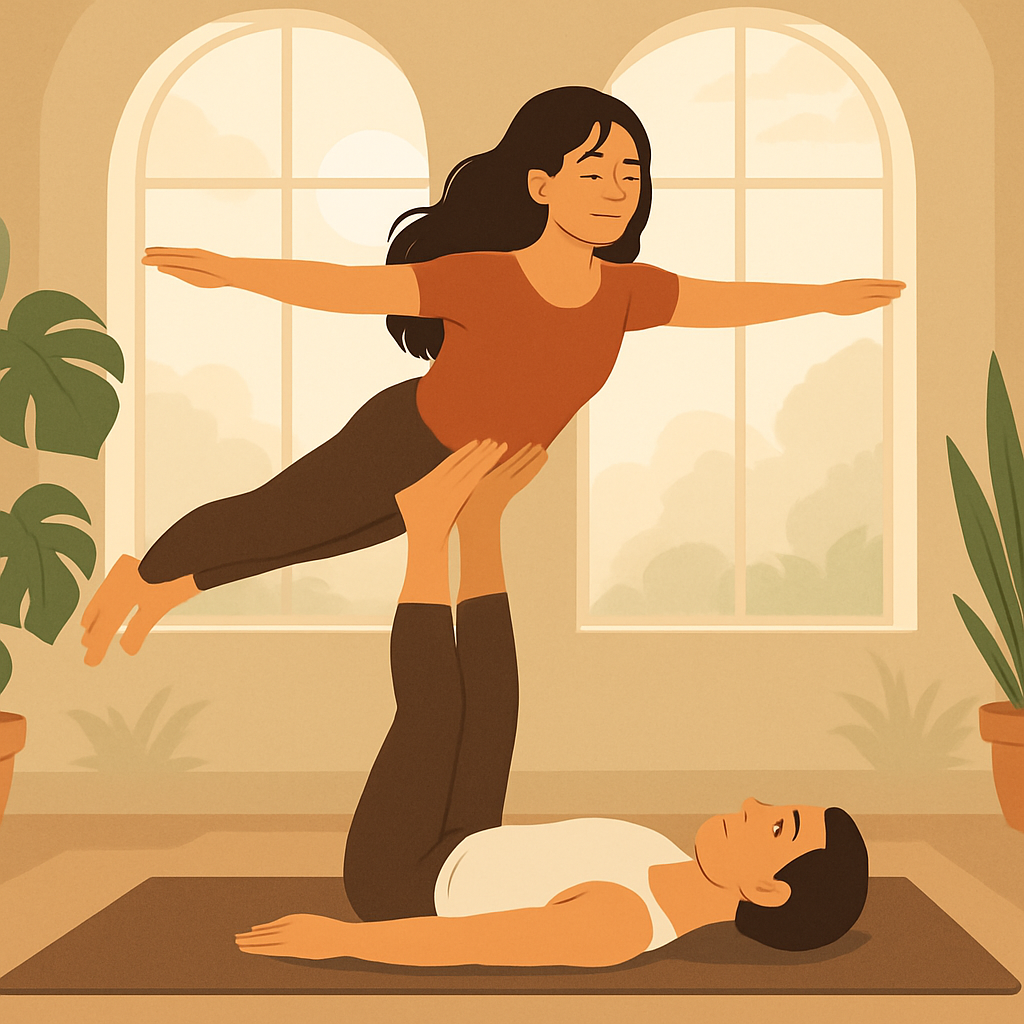
Graded exposure is a technique designed to help you gradually reintroduce activities in a safe, progressive way that teaches your brain the activity itself is not a threat. Start by using imaginary exposure to lay the foundation of safety around the activity in your mind. Once you feel ready, choose a behavior you'd like to reintroduce. Begin with something small—like sitting, bending, or walking.
Create a step-by-step plan for that specific behavior. Here’s an example for walking, a common activity people tend to avoid:
Walking Example:
Visualize yourself walking while engaging all five senses. Picture it clearly and calmly, focusing on the experience feeling safe.
Begin with a 5-minute walk while using safety mantras and breathing techniques.
Gradually add 5 minutes each time you practice. Continue reminding your brain that this activity is safe. Pay attention to your surroundings and engage with nature if possible.
Work up to walking for 30 minutes. It’s okay if you notice some discomfort or soreness—this doesn’t mean harm.
Keep increasing time or distance as it feels manageable. The key is consistency and reinforcing a sense of safety.
Sitting In A Chair
Visualize yourself sitting in a chair.
Imagine how it feels to gently lower yourself down, the support of the chair under you, and your body relaxed and safe.
Practice using calming mantras like “I am safe,” and combine with breathwork while imagining the scene.
Repeat daily for 3–5 minutes until this feels neutral or safe.
Choose a soft, supportive chair.
Sit down slowly and gently.
Use safety mantras and calming breath as you sit (“My body is safe while sitting”).
Stay for just 1–2 minutes, focusing on cues of safety and comfort.
Get up slowly and notice how you feel—remind yourself this was a success.
Long Car Rides
Visualize yourself in the car, sitting comfortably, with calm music playing or a pleasant conversation happening.
Picture the scenery passing by, your body relaxed, and the ride going smoothly.
Pair the visualization with slow breathing and safety mantras like “I am safe in the car,” or “My body can handle this.”
Repeat daily for a few minutes until the image feels neutral or even positive.
Sit in your parked car with the engine off.
Get comfortable with seat supports or cushions if needed.
Focus on breathing calmly and noticing safety cues (e.g., the feel of the seat, the stillness, the quiet).
Use mantras and grounding techniques to support regulation.
Take a short, predictable route with someone you trust or drive yourself in a low-stress setting.
Focus on neutral or pleasant sensations, and continue using safety phrases and breathing.
Notice and celebrate if you get through the ride without a significant flare—success is in the experience, not the outcome.
Add 5–10 minutes to your car rides every few days or each week, depending on comfort.
Try listening to calming music, audiobooks, or nature sounds to engage the mind and body in a sense of safety.
Continue reinforcing: “This is getting easier. My brain is learning that this is safe.”
JOURNAL PROMPT
Did you notice fear before doing the activity?
Did you find yourself anticipating pain?
Were you able to stay in a place of safety despite the outcome?