

Emotions
Why Movement
When we experience discomfort, our instinct is often to avoid movement. We may even start believing our body is fragile or broken, or that movement is dangerous. But it’s worth examining whether those beliefs are actually true. In reality, movement encourages the body’s natural process of adaptation—building strength, resilience, and confidence over time.
Physical activity also triggers the release of “feel-good” chemicals such as endorphins, dopamine, serotonin, and norepinephrine, which help boost mood, reduce stress, and create a sense of calm and safety in the body. Even gentle, enjoyable movement can spark this positive shift.
Many surgeons even encourage early movement after surgery to promote healing.
Before avoiding movement, ask yourself:
Is there evidence that this movement is truly dangerous?
If the answer is no, consider gradually reintroducing it. Start small, build tolerance, and let your body adapt. Some discomfort is okay—just avoid pushing into a full flare. If you overdo it, it doesn’t mean movement isn’t possible. It simply means your body needs more time. Adjust, reduce the intensity, and keep moving at a level that feels safe. Your body is remarkably capable of adapting.
Movement plan:
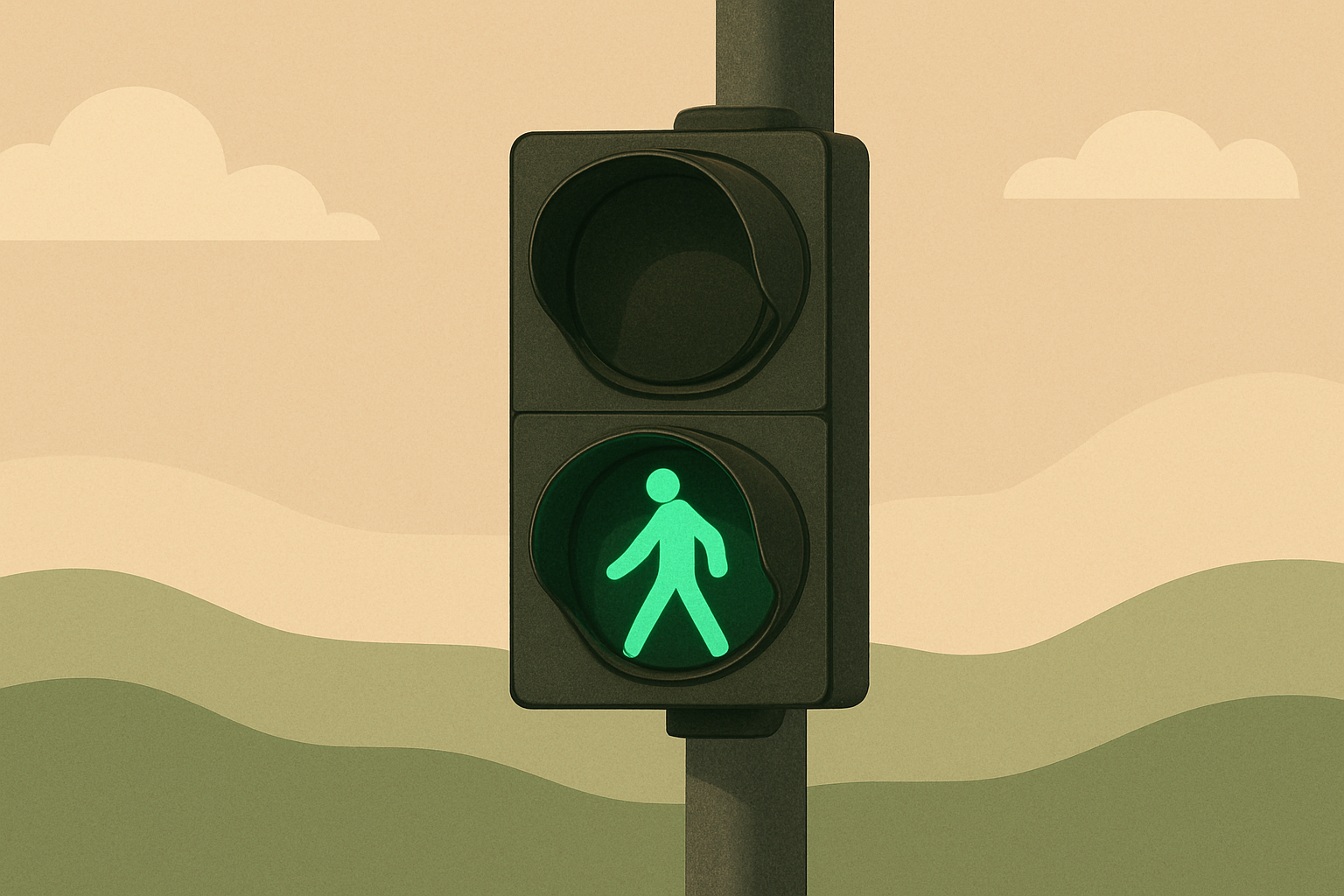
Green light: Movements that feel safe (walking for 5 min)
Yellow Light: Movements that might brings some pain but it is bearable. (Walking for 20 min)
Red Light: Movement that causes a full blown flare. (Walking for hours)
What is your Movement plan?
Take a moment to write out your movement plan. This will take some trial and error, you might find yourself adjusting it several times. Revisit your plan later to notice what surprised you the most!
Exploratory Movement
The central governor theory, proposed by Dr. Tim Noakes, suggests that the brain regulates exercise by limiting performance to prevent harm. By monitoring signals like fatigue, temperature, and energy, it adjusts muscle output to maintain balance and protect the body.
Exploratory movement can help “release” the brain’s governor because it teaches the nervous system that movement is safe, not threatening. When pain, fatigue, or fear signals are present, the brain may restrict performance by tightening the governor to protect the body. Gentle, curious movement, without pressure or expectation, offers new sensory input that reduces danger signals. Over time, this rewires the brain’s predictions, showing that activity can be tolerated without harm. As safety replaces threat, the brain relaxes its protective limits, allowing more freedom, strength, and endurance.
5-Minute Exploratory Movement Routine
Settle In (30 sec)
Stand or sit comfortably. Take a slow breath in and out, letting your body relax.Neck Exploration (1 min)
Gently turn your head a little to the right, then back to center. Notice the sensation. Try turning left. Play with speed—very slow, then a little quicker. Make the movement smaller, then bigger. Pause and notice how your neck feels.Shoulder Exploration (1 min)
Lift one shoulder slightly, then lower it. Roll it forward, then back. Change direction. Make the roll larger, then smaller. Try the other shoulder. Pause and notice any difference between the two sides.Arm & Hand Exploration (1 min)
Stretch one arm forward slowly, then bring it back. Wiggle your fingers. Try circling your wrist one way, then the other. Play with size and speed. Notice how your arm feels lighter or heavier as you move.Spine & Torso Exploration (1 min)
Gently lean a little to one side, then the other. Try a small twist from the waist, side to side. Notice how your back and ribs move. Adjust the pace and depth to what feels comfortable.Closing (30 sec)
Stand or sit still. Take a deep breath and notice how your body feels compared to when you started—maybe lighter, looser, or simply more aware.
JOURNAL PROMPT
What is your movement plan?
How did it feel to do exploratory movement?