
Module 5: Approaching Flares
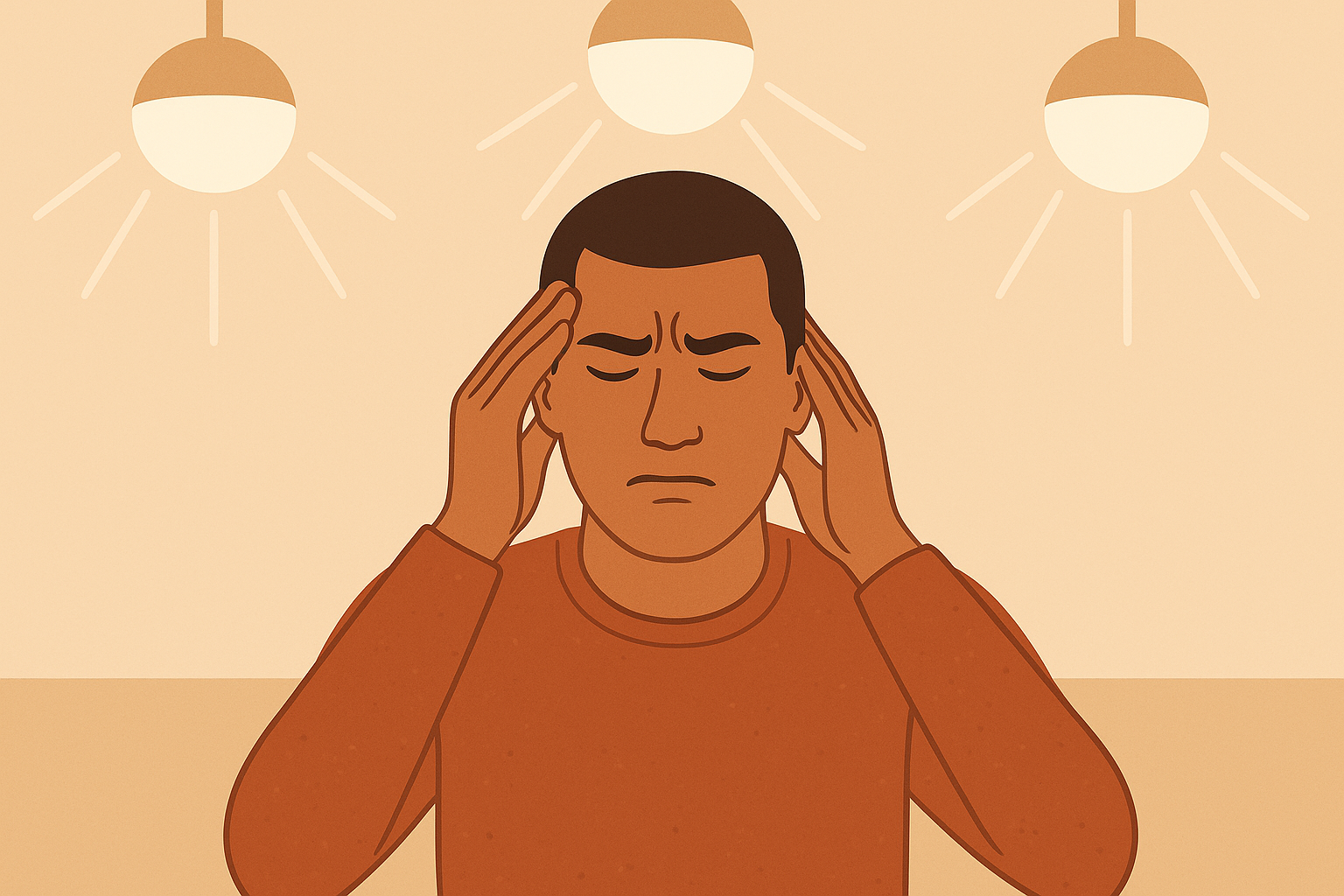
How to approach Migraines
Migraines can feel overwhelming and often disrupt our entire day when they strike. It’s important to remember that migraines are a form of neuroplastic pain, while they may feel intense or even excruciating, the physiological effects are not causing harm to the body. When a migraine begins, it can be hard to think clearly or remember what practices might help in the moment. That’s why it’s helpful to have a plan. Below is a list of supportive tools you can turn to during a migraine. Keep it somewhere accessible so you feel prepared and supported when the next attack arises. Remember the goal is to send a message of safety not fix the migraine.
Tools and Practices for a Migraine:
SAFE PLACE VISUALIZATION
This practice helps shift your mind away from migraine discomfort by guiding your attention to an imagined place of calm. Visualize a setting that feels peaceful and comforting. What do you see, hear, feel, and smell there? Engage your senses fully. Allow yourself to rest in this space for as long as needed. You can find a full guided video in this module to support the experience.
NAME GAME
It is easy to identify with our migraines, but they are something we experience, not who we are. Giving your migraine a name, like “George,” can help create emotional distance and reduce fear around the symptoms. You might say things like, “George is in town,” or “I see you, George, but I do not need you today.” This playful reframe helps loosen the grip of fear and creates space between you and the pain.
RE-FRAMING MEDICATION
Medication can be an important part of your toolkit and may have helped you through difficult days. But relying on it preemptively or carrying it out of fear can sometimes send subtle danger signals to the brain. It may reinforce the belief that something needs fixing. Next time a flare begins, see if you can pause before reaching for medication and try a few other tools first. Notice what shifts. You might be surprised by your body's capacity to self-regulate.
BREATHING
Your breath is a powerful and always accessible tool. Breathing techniques help activate the parasympathetic nervous system, supporting calm and digestion. Try the physiological sigh, 4-7-8 breathing, box breathing, or Vu breath during a flare to help reset your system and restore a sense of balance.
DISTRACTION
Distraction can help guide your attention away from the migraine and toward something neutral or comforting in your environment. This counters the urge to hyperfocus, one of the five F’s: fight, flight, freeze, fawn, and focus. Choose simple, soothing activities that do not require much effort, like listening to music, watching a calming video, doing a puzzle, or spending time with a pet.
MOVEMENT
Gentle movement can send a powerful message to the brain that the pain is not dangerous. Instead of staying curled up in bed, try light stretching, yoga, slow walking, or even dancing to soft music. This helps engage positive body sensations and interrupts the fear-pain cycle.
SELF-COMPASSION
Flares are hard, and learning new tools takes time. Be gentle with yourself along the way. The goal is not perfection, it is progress. Offer yourself the same kindness you would give a close friend: a soothing touch, a few kind words, and patience as you practice these skills.
EMBRACE IMPERFECTION
Perfectionism can add stress and amplify migraine symptoms. Ask yourself where you can be more flexible with yourself, at work, or in daily tasks. Perfection may have once served a purpose, but is it still serving you now? Consider letting go of one “should” and reconnecting with the value underneath. The Japanese have a concept that finds beauty in imperfection, impermanence, and the natural cycle of growth and decay, called Wabi-Sabi. Wabi-sabi is deeply rooted in Zen Buddhism and emphasizes simplicity, mindfulness, and accepting the natural flow of life
MONOTASKING
When life is packed with multitasking and constant demands, our nervous system becomes overwhelmed. Instead, try monotasking by focusing on one thing at a time with presence. Build in breaks throughout the day, allow time for mindfulness, and give your system space to rest and recover. This helps conserve energy and reduce flare intensity over time.
JOURNAL PROMPT
What tools will you use when your next migraines comes on?